Home health agencies under federal pressure as crackdown intensifies
Christian Soriaga, CPA2 min read
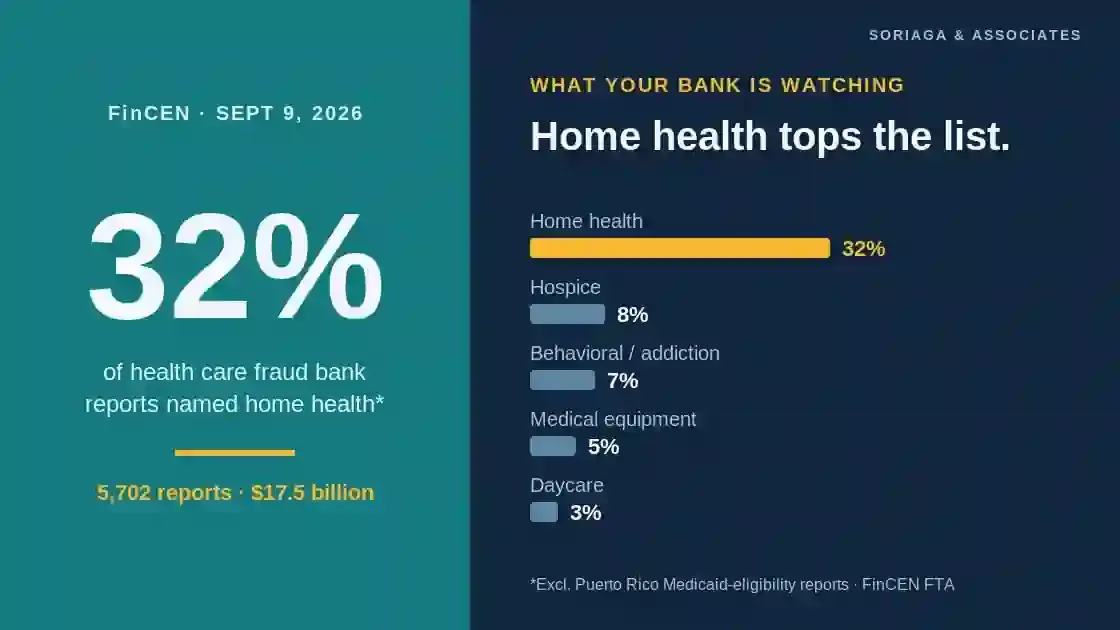
Home healthcare agencies are currently under the microscope as federal authorities enact a strict six-month moratorium on new Medicare billing enrollments. Amidst reports of widespread fraud and systemic billing errors, the government has withheld $1.4 billion in federal funding, signaling an aggressive push for program integrity that is reshaping the industry.### Key takeaways
- A six-month nationwide moratorium is now in place for all new home healthcare and hospice providers enrolling in Medicare.
- Federal authorities have successfully withheld $1.4 billion in funding from providers suspected of fraudulent billing practices.
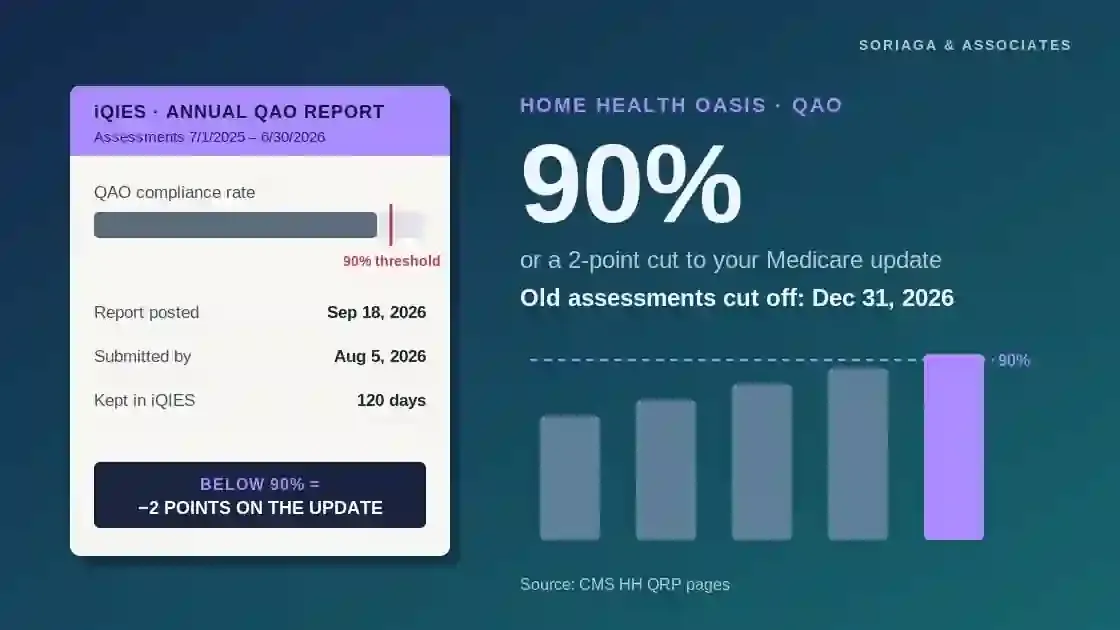
- Common billing errors contributing to regulatory scrutiny include failures in nursing assessments, inadequate documentation, and the misuse of reimbursement modifiers.
- States are struggling to balance the rising demand for community-based care with the need for enhanced fiscal oversight and fraud prevention.### Current status of the federal moratoriumThe U.S. government has initiated a sweeping crackdown on home healthcare providers to combat what officials describe as a massive-scale fraud network. The implementation of a six-month pause on new Medicare billing enrollments is designed to allow the Centers for Medicare & Medicaid Services (CMS) to audit existing billing procedures and implement stricter oversight frameworks. Administration officials have identified that the speed at which potentially fraudulent entities can be established necessitated this immediate intervention. Consequently, significant federal assets have been frozen to prevent further loss of taxpayer funds, with investigators specifically targeting providers that failed to demonstrate legitimate operations.### Persistent billing and compliance challengesBeyond the federal moratorium, agencies face ongoing internal struggles with billing precision. Audits continue to reveal recurring failures that act as red flags for investigators, such as:
| Error Type | Consequence |
|---|---|
| Documentation Gaps | Liability exposure and audit failure |
| Improper Modifiers | Requirement for multi-million dollar settlements |
| Eligibility Lapses | Denied claims and lost revenue |
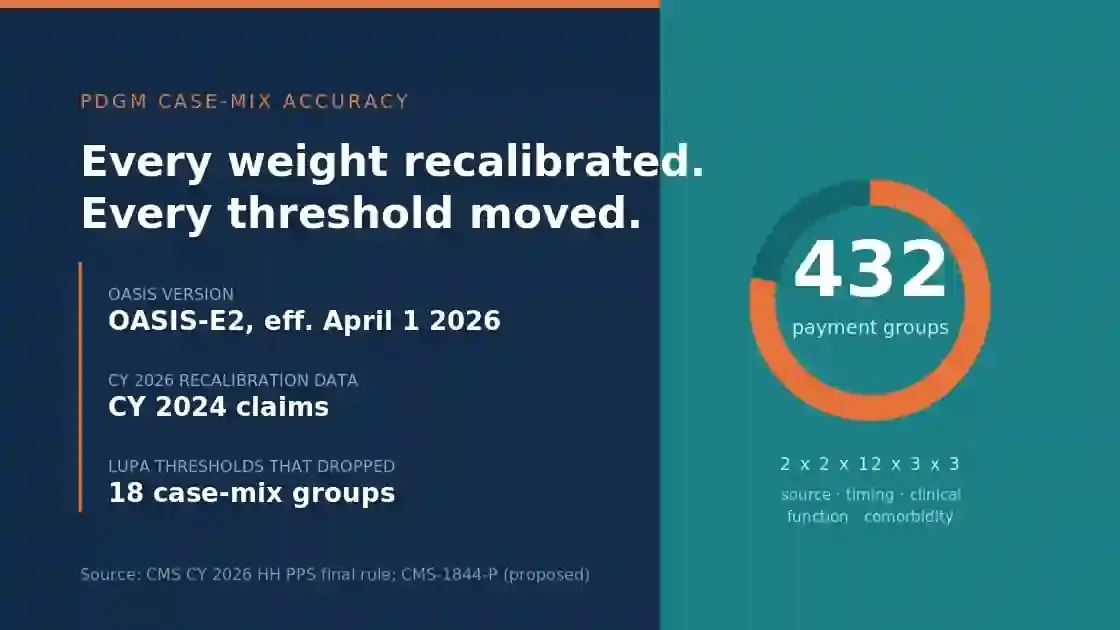
Data indicates that many agencies fail to capture full comorbidity adjustments, leading to underpayment, while others face catastrophic penalties for billing services not actually rendered. Experts suggest that as regulatory scrutiny heightens, agencies must shift toward real-time revenue intelligence and automated verification to ensure long-term viability.### Impact on state programs and patient care The tension between accessibility and fiscal accountability is playing out at the state level as well. In Connecticut, for instance, efforts to curb rising costs in the Community First Choice program have sparked protests from advocates who fear that downsizing will force patients into institutional settings. Similarly, Minnesota has faced severe federal intervention, including threat of massive funding cuts, after failing to maintain compliance standards. These developments highlight a growing nationwide trend where states are being forced to choose between managing waitlists for home-based care and tightening eligibility, ultimately creating an uncertain environment for both the providers who deliver essential services and the patients who rely on them.
Sources
- The revenue gap hiding in home health billing, McKnights Home Care.
- Lessons from the OIG: Common Billing Errors Texas Home Health Providers Need to Know | Insights, Holland & Knight.
- Understanding Medicaid Home Care Amid CMS Focus on Potential Fraud and Abuse, KFF.
- U.S. Stops Enrolling New Hospices and Home Healthcare Agencies in Medicare As Vance Blocks $1.4 Billion inFunding, The Maine Wire.
- Advocates decry threat to home care program, CT Mirror.