Affordable Bookkeeping Solutions for Small Businesses
Carl Soriaga, CPA4 min read
On this page
Managing the financial records of a small business can be a daunting task. Accurate bookkeeping is essential for tracking income, expenses, and overall financial health. However, many small business owners worry about the cost of professional bookkeeping services. Fortunately, there are cost-effective bookkeeping options that can help businesses maintain accurate records without breaking the bank. This article explores practical solutions and tips to help small businesses find affordable bookkeeping services tailored to their needs.
Understanding Cost-Effective Bookkeeping Options
Small businesses often operate on tight budgets, making it crucial to find bookkeeping solutions that provide value without excessive costs. Cost-effective bookkeeping options include a range of services and tools designed to fit different business sizes and industries.
Some popular options include:
- Cloud-based bookkeeping software: Tools like QuickBooks Online, Xero, and FreshBooks offer affordable monthly plans. They automate many bookkeeping tasks, reducing the need for manual entry and minimizing errors.
- Outsourced bookkeeping services: Hiring a remote bookkeeper or a bookkeeping firm can be more affordable than employing a full-time staff member. These services often charge based on the volume of transactions or a flat monthly fee.
- Part-time or freelance bookkeepers: Engaging a freelance bookkeeper on an as-needed basis can save money while ensuring professional management of your books.
- DIY bookkeeping with templates: For very small businesses, using spreadsheets or bookkeeping templates can be a low-cost way to keep track of finances, though it requires more time and attention.
Choosing the right option depends on your business size, transaction volume, and your comfort level with financial management.
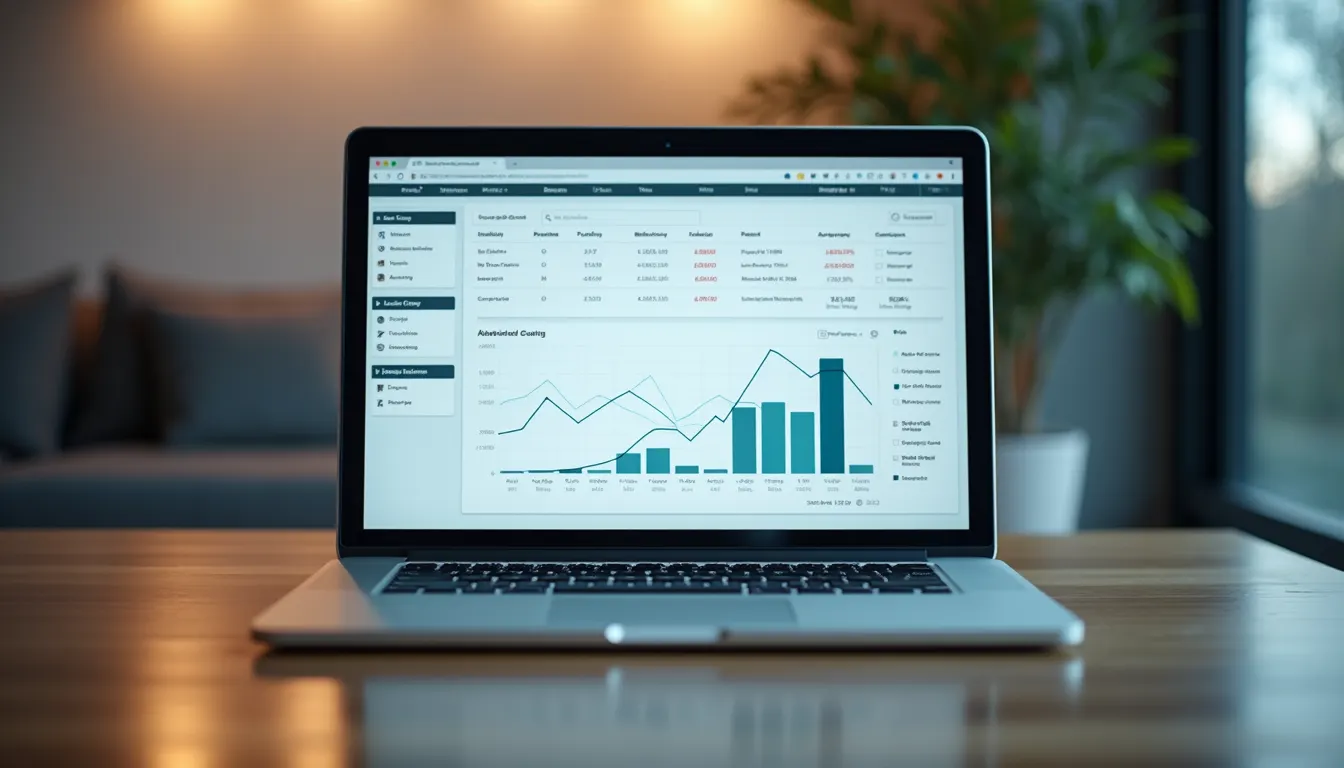
Bookkeeping software dashboard on laptop screen
Benefits of Using Affordable Bookkeeping Services
Investing in affordable bookkeeping services can bring numerous benefits to small businesses, including:
- Improved financial accuracy: Professional bookkeeping reduces errors and ensures your financial data is reliable.
- Time savings: Outsourcing or using automated tools frees up your time to focus on growing your business.
- Better decision-making: Accurate financial reports help you make informed business decisions.
- Tax readiness: Organized records simplify tax filing and reduce the risk of audits.
- Cost control: Affordable bookkeeping options help you manage expenses without sacrificing quality.
For example, a small retail store using cloud-based bookkeeping software can track daily sales and expenses in real-time, enabling quick adjustments to inventory or pricing strategies.
If you want to explore reliable and affordable bookkeeping services, consider checking out affordable bookkeeping services that specialize in small business needs.

Calculator and financial documents on desk
Is a Bookkeeper Cheaper Than an Accountant?
Many small business owners wonder whether hiring a bookkeeper is more cost-effective than employing an accountant. The answer depends on the scope of work and the complexity of your financial needs.
- Bookkeepers primarily handle day-to-day financial record-keeping, such as recording transactions, reconciling bank statements, and managing invoices.
- Accountants provide higher-level services, including financial analysis, tax planning, and preparing financial statements.
In general, bookkeepers charge lower hourly rates or monthly fees compared to accountants. For routine bookkeeping tasks, hiring a bookkeeper is usually more affordable. However, accountants are essential for tax filing, audits, and strategic financial advice.
For small businesses with straightforward financial activities, a bookkeeper can manage most needs cost-effectively. When tax season arrives or complex financial decisions arise, consulting an accountant is advisable.

Person reviewing financial reports with pen
Tips for Choosing the Right Bookkeeping Solution
Selecting the best bookkeeping option requires careful consideration. Here are some actionable tips to guide your decision:
- Assess your business needs: Determine the volume of transactions, complexity of your finances, and your budget.
- Evaluate software features: Look for user-friendly interfaces, integration with your bank, invoicing capabilities, and reporting tools.
- Check credentials and reviews: If hiring a bookkeeper or service, verify their qualifications and client feedback.
- Consider scalability: Choose solutions that can grow with your business.
- Test free trials: Many software providers offer free trials—use them to see if the tool fits your workflow.
- Understand pricing models: Clarify whether fees are monthly, hourly, or per transaction to avoid surprises.
By following these steps, you can find a bookkeeping solution that balances cost and quality effectively.
Maximizing Efficiency with Bookkeeping Best Practices
Once you have chosen a bookkeeping method, implementing best practices will maximize efficiency and accuracy:
- Keep receipts and invoices organized: Use digital tools or folders to store documents systematically.
- Reconcile accounts regularly: Monthly reconciliation helps catch errors early.
- Separate business and personal finances: Maintain distinct bank accounts to simplify tracking.
- Automate recurring transactions: Set up automatic payments and invoicing where possible.
- Review financial reports monthly: Regular reviews help you stay on top of cash flow and expenses.
- Back up your data: Ensure your financial data is securely backed up to prevent loss.
Adopting these habits will help your bookkeeping run smoothly and support your business growth.
By exploring these affordable and cost-effective bookkeeping options, small businesses can maintain accurate financial records without overspending. Whether you choose software, outsourcing, or a hybrid approach, the key is to find a solution that fits your unique needs and budget. With the right tools and practices, bookkeeping can become a manageable and valuable part of your business operations.